Nobody Claps at Month Three: Surviving the Awkward Middle of Learning a Craft
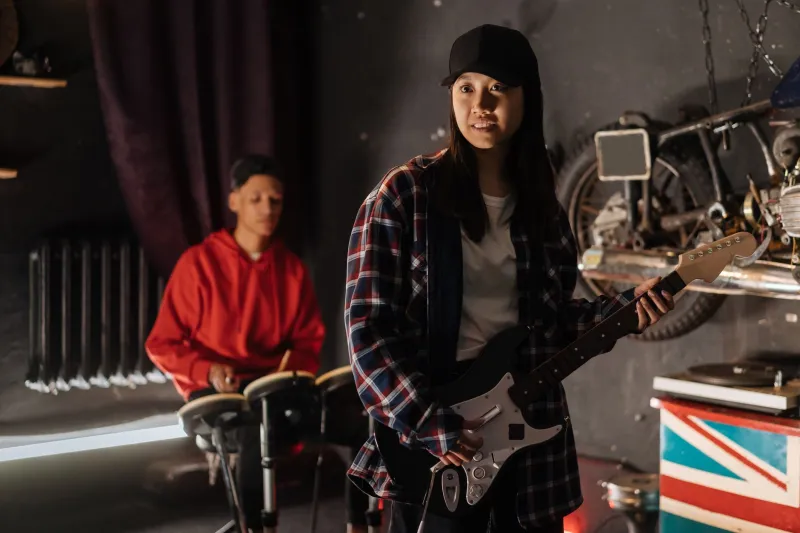
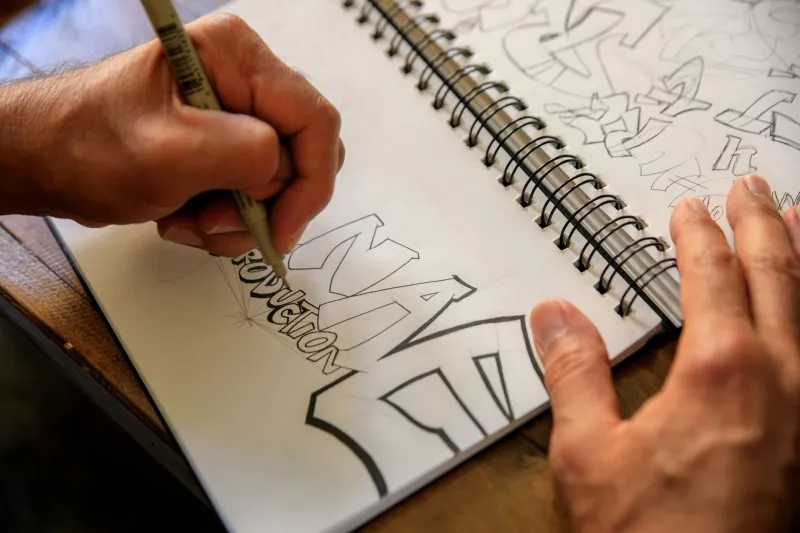
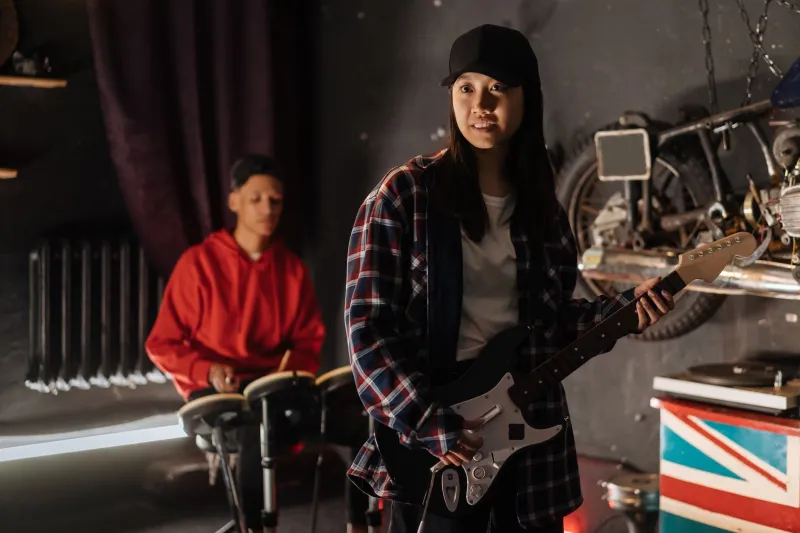
There's a stretch of every creative journey that nobody puts on Instagram. It starts right after the honeymoon phase — when the novelty of a new skill wears off but you're not yet good enough for the work to feel rewarding. Guitar players know it as the six-month wall. Drawers call it the stage where everything you make looks like it was done by someone else's left hand. It's the creative equivalent of a garage band: loud, unpolished, playing to an empty room.
And here's the uncomfortable truth — that's where the actual learning happens.
The Valley Nobody Photographs
Psychologists who study skill acquisition have long noted a gap between taste and talent. Ira Glass famously described it as "the gap": when you're new, your taste is already refined enough to know your work isn't good. That awareness is painful, and it's why so many learners bail right when they're on the verge of a breakthrough.
Think of it like the dip between two mountains. You climbed the first hill — the beginner gains, where everything improves quickly. But the second, taller peak — real proficiency — requires crossing a valley where progress feels invisible. Most people stand at the edge, look across, and decide hiking isn't for them.
The problem isn't lack of talent. It's that the valley offers none of the feedback loops that kept beginners motivated: no likes, no compliments from friends, no little wins. Just you, your sketchbook, and the nagging sense that you've peaked.
Why an Audience of Zero Is a Feature, Not a Bug
Here's a counterintuitive idea: the fix isn't finding an audience. It's deliberately not having one.
When you post your practice sessions publicly, every piece of work becomes a performance. You start choosing safe subjects. You redo things for polish instead of moving forward. You optimize for the reaction instead of the reps. Research on motivation consistently shows that sharing goals too early can actually reduce follow-through — announcing the identity substitutes for doing the work.
A garage band in a real garage doesn't care who's listening. That freedom is the whole point. It's the one stage of learning where you get to be bad with total impunity, and that liberty is what lets you take the swings that build skill.
Build a Progress Archive Instead
So if the audience is gone, what replaces the motivation it provided? A private record of how far you've come.
- Keep a dated sketchbook or practice log. Flip back to page one every few weeks. The improvement is undeniable in a way day-to-day progress never is.
- Record voice memos or practice videos. Musicians: record your chord changes monthly. Writers: save every draft. Future you is the only audience that matters, and future you will be impressed.
- Do a monthly "same prompt" challenge. Redraw the same subject, rewrite the same scene, re-record the same riff. Seeing the delta is more motivating than any comment section.
- Stack the evidence somewhere visible. A shoebox of bad paintings, a folder of rejected drafts. That pile is proof of persistence, not failure.
This is the quiet engine behind almost every competent creative you admire. They didn't skip the valley — they just documented it instead of broadcasting it.
What Pushing Through Actually Looks Like
Talk to hobbyists who made it to genuine proficiency and a pattern emerges. A hobbyist woodworker in Ohio described his first year as "ninety coasters and zero confidence" — but he kept every failed piece in a bin, and when he dumped it out one afternoon, he could literally see the progression from splintered messes to clean joinery. A self-taught illustrator told us she filled four sketchbooks before she made anything she liked, and the only reason she kept going was a rule she set for herself: never tear out a page.
The common thread isn't discipline in some heroic sense. It's a system that made the invisible visible. They converted the valley's silence into evidence.
Give Yourself Permission to Suck, Privately
If you're in the awkward middle right now, consider this your permission slip. You don't owe anyone content. You don't need to brand your practice. The messy era isn't a detour from the craft — it is the craft, happening in real time.
Start the archive. Date the pages. Record the takes. Then come back in six months and meet the person who did the work when nobody was clapping.
That person is the one who gets good.