The 45-Minute Degree: How Commuters Are Quietly Learning Their Craft in Traffic
Add up the numbers and it's almost embarrassing. The average American commute clocks in around 27 minutes each way. That's roughly 4.5 hours a week—more time than most people spend on any single hobby, and probably more than you've dedicated to your creative practice since... when, exactly?
Here's the reframe that changes everything: your commute isn't dead time between your life and your job. It's the most reliable, recurring, no-excuses block of solo time you own. The question isn't whether you have time to build a creative skill. It's what you'll do with the 200+ hours a year you're already spending in transit.
Why the Commute Works When Your Evenings Don't
Evenings are where creative ambitions go to die, and it's not a character flaw. After a full workday, your decision-making tank is empty. Choosing to practice feels like one more chore on a list that already includes dinner, laundry, and pretending you'll go to the gym.
Your commute is different. It happens whether you feel motivated or not. The habit is already automated—you just show up (or sit down) and the time exists. Behavioral scientists call this habit stacking: attaching a new behavior to an existing, unshakeable routine. You've been doing the routine for years. All that's missing is the second layer.
Three People Who Basically Went to School on the BART
Marcus, the songwriter from Oakland. Marcus drives 40 minutes to a warehouse job in Alameda. For two years, his songwriting education happened entirely in a 2011 Honda Civic. Voice memos captured melody ideas at red lights (parked ones—he's specific about this). Podcasts on music theory and lyric structure filled the drive. By the time he joined a band, he had 300 voice memos and could talk counterpoint with people who'd paid for conservatory. His total tuition: a phone mount and a phone charger.
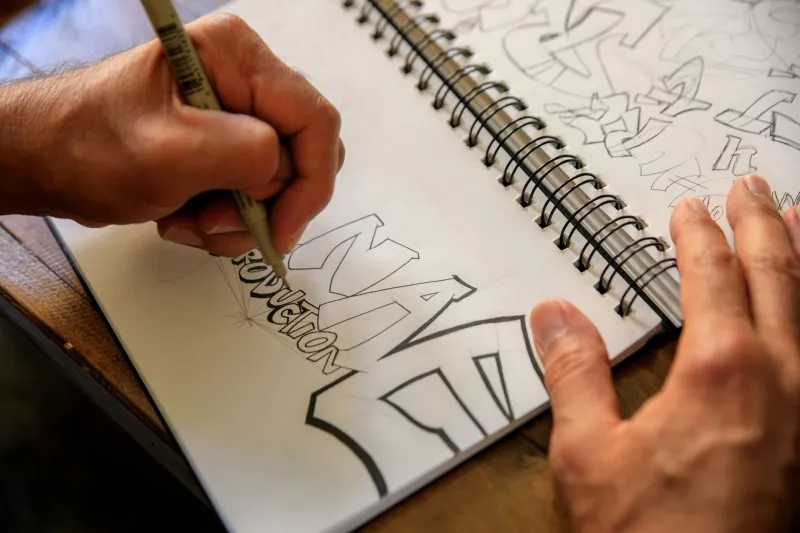
Danielle, the illustrator on the L. Riding the CTA from Logan Square into the Loop gave Danielle 50 minutes of seated time twice a day. She started with five-minute gesture sketches of fellow passengers—quick, loose, no pressure. Nineteen months later she had a sketchbook series of Chicago commuters that got her first freelance clients. "Nobody on the train knew they were my art school," she says. "The guy asleep across the aisle was basically a figure drawing model."
Priya, the voice actor in Atlanta. MARTA rail plus a 15-minute shuttle gave Priya about an hour daily. She used it for ear training: shadowing commercials she'd downloaded, mimicking pacing and emphasis, recording practice reads on quiet platform corners. Her first paid gig came from a demo she cut in her apartment—but every skill in it was built at streetcar level.
None of them had a dramatic origin story. They had a commute and a decision.
The Tiered Toolkit: Drivers vs. Passengers
Safety first, always. The toolkit splits cleanly depending on whether your hands are on a wheel.
If You're Driving (Audio-Only Mode)
- Audiobook and podcast curricula. Platforms like Audible, Libby (free with a library card—yes, really), and dedicated creative podcasts can constitute a legitimate self-designed course. Pick one subject and go deep for a month rather than grazing.
- Voice memos at a full stop. Ideas strike in traffic; capture them only when parked. A 20-second memo at a red light that turns into a longer note once you've arrived is the safe pattern.
- Mental rehearsal. Athletes have used visualization for decades, and it works for creatives too. Mentally walk through a design layout, rehearse a chord progression, or script out a scene. Studies on motor imagery suggest mental practice produces real, measurable gains.
- Post-drive capture. Keep a notepad or notes app ritual for the moment you park. Two minutes of unloading while the engine cools cements what the drive planted.
If You're a Passenger (Hands-Free Mode)
- Sketching. A pocket sketchbook and a pencil that clips to the cover. Five-minute drawings, no erasing, no preciousness.
- Reading and coursework. Downloadable lesson PDFs, e-books, or course apps work beautifully on rail and bus routes. One chapter per ride adds up shockingly fast.
- Writing. A notes app or small notebook for lyrics, essay drafts, or story fragments. Trains have a rhythm that's weirdly good for prose.
- Deliberate observation. Even without supplies, studying light, faces, color, and architecture is genuine visual training. Illustrators call it building a reference library in your head.
Building Your Own Transit Curriculum
Random listening becomes real learning with one addition: a syllabus. Try this:
- Pick one skill per quarter. Not five. One.
- Choose your source material. Two or three specific podcasts, books, or audio courses—not an infinite queue.
- Set a tiny output goal. One voice memo per drive. Three sketches per ride. Something concrete.
- Review weekly. Friday's commute becomes a recap: what did this week teach you?
That's it. Four decisions, made once, running on autopilot ever after.
The Compound Effect Nobody Brags About
Here's what nobody tells you about the 45-minute degree: the qualification isn't a certificate. It's arriving at your actual creative work already warmed up. The driver who spent the morning absorbing song structure sits down at the guitar with ideas queued up. The train sketcher opens their evening drawing session with a hand that's already loose.
Your commute has been happening every day for years, whether you used it or not. Starting tomorrow, it can be the most consistent classroom you've ever attended—no tuition, no parking permit, and the bell rings right on schedule.
What's your route? More importantly—what are you going to learn on it?