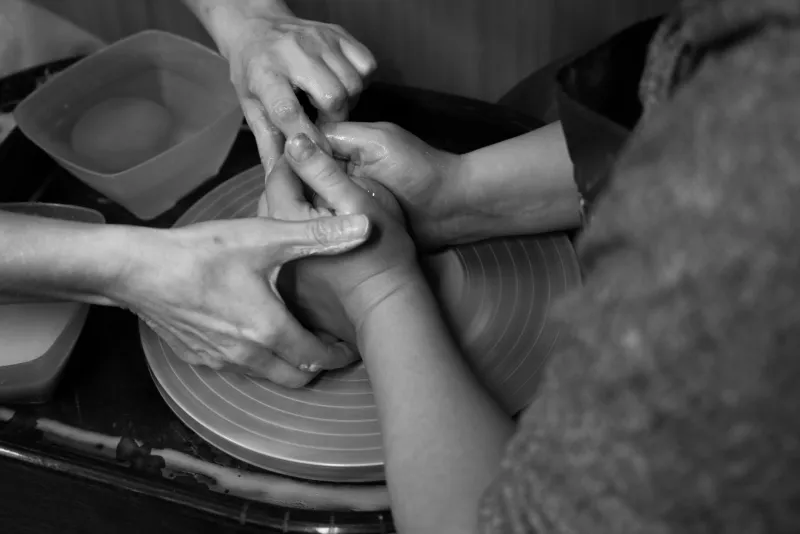
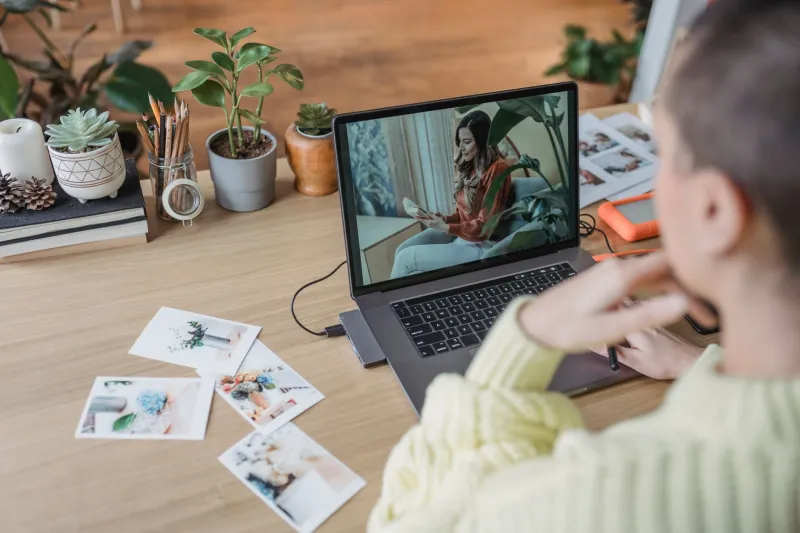
Five People Is All You Need: The Case for Playing Your Rough Drafts Out Loud
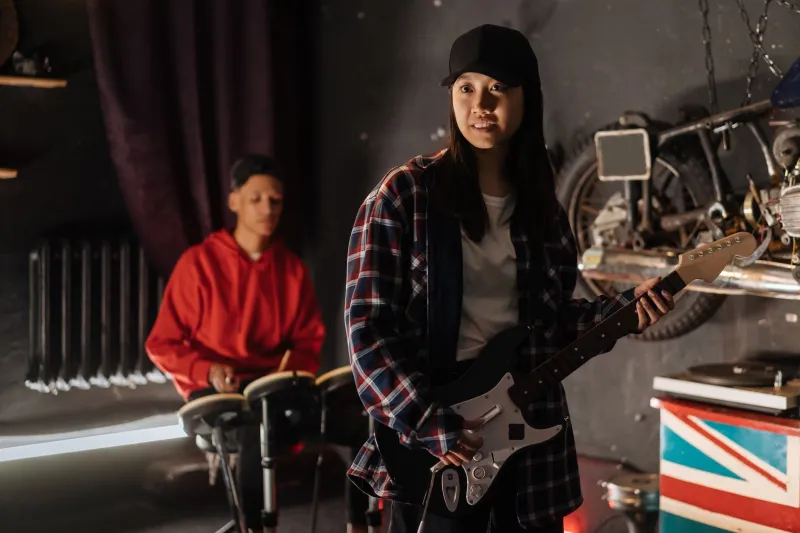
Every garage band in America understands something that solo illustrators, novelists, and beatmakers keep forgetting. The kids down the street playing half-learned covers in a drum-smelling basement aren't waiting until they're 'ready.' They're playing for an audience of five — a friend, a girlfriend, a skeptical older brother, a neighbor's dog. And that scrappy little crowd is doing more for their development than any amount of silent, solitary grinding ever could.
There's a name for this, and it's worth stealing: the garage band effect.
The Silent Practice Trap
Here's the pattern we see over and over in our inbox. You watch the tutorials. You buy the course. You fill three sketchbooks nobody has ever opened. You tell yourself you're 'building skills' — and technically you are. But months in, you can't point to a single piece of feedback you've received, because nobody has seen your work. Ever.
We've called this tutorial purgatory before, and it deserves a second look, because the root cause isn't laziness. It's fear. Specifically, the fear of being witnessed at your worst — mid-process, unpolished, obviously unfinished. So you stay invisible, and invisible work can't improve the way witnessed work does.
Think about what happens the moment a garage band plays a song for actual humans. Suddenly they notice the bridge drags. The chorus doesn't land. The singer runs out of breath. None of that is visible from inside the practice loop. It only shows up when other ears are in the room.
Why Feedback at the Ugly Stage Is Worth More Than Feedback Later
The instinct is to wait until something is 'good enough' before showing anyone. But feedback on a finished piece mostly tells you what's already locked in. Feedback on a rough draft tells you what to do next — while you can still do something about it.
A half-finished song played for a friend reveals structural problems while the structure is still flexible. A messy sketchbook page shown to a buddy surfaces the composition issue you'd have spent twenty more hours painting over. Early feedback is cheap. Late feedback is expensive.
There's a second benefit that gets less attention: showing work in progress shrinks the stakes. When your five people have already seen your stuff at its messiest, the pressure to be brilliant evaporates. You stop protecting a reputation and start actually making things. That psychological shift — from 'performer' to 'person who is working on it' — is where most creative growth actually happens.
How to Build Your Audience of Five
You don't need a following. You need five people who will look at your stuff and tell you the truth. Here's how to find them.
1. Raid your existing circle. You're not looking for experts — you're looking for honest, kind-ish people who will actually engage. A coworker who doodles on meeting notes counts. Your cousin who's opinionated about everything counts.
2. Make the ask specific and small. 'Can I send you a rough draft?' works. 'Will you be my mentor?' scares people off. Low stakes, five minutes, one piece.
3. Set the feedback rules yourself. Tell them what kind of response you want: 'Just tell me which part you remembered' or 'Tell me where you got bored.' Vague requests get vague praise. Specific questions get usable answers.
4. Reciprocate. The fastest way to build a micro-audience is to be one. Offer to look at their resume, their garden plan, their fantasy football trade. Feedback exchanges feel less like exposure and more like a deal.
5. Consider one in-person or live option. An open mic, a life drawing session at the local art supply store, a library writing group, a Discord with voice chat. Screens are fine, but something happens when people react in real time that a comment thread can't replicate.
What Five People Can Do That Five Thousand Can't
There's a weird math to this. Posting to a huge audience online gets you noise — likes from strangers, algorithmic randomness, maybe one cryptic comment. An audience of five gets you conversation. They remember your last piece. They notice when something clicks. They'll tell you the thumbnail looks off, and they'll be right.
Small audiences also let you iterate fast. Play the song again next week with the bridge fixed. Show the revised page. The loop tightens, and tight loops are how skills compound.
The Real Payoff Isn't the Feedback
Honestly? The feedback might not even be the biggest benefit. The biggest benefit is that you finish things. Work made for witnesses gets finished at a wildly higher rate than work made for a drawer. Garage bands don't leave songs half-arranged, because there's a practice on Thursday and they need something to play.
So here's the assignment, and it's deliberately small: this week, show one unfinished thing to one person. Not the polished piece. The ugly one. Then do it again next week, and add a second person when you're ready.
Your masterpiece doesn't need the world. Not yet. It needs five people who've seen it at its worst and stuck around anyway. Get them in the room — even if the room is a garage.