Tutorial Hopping Is a Hobby, Not a Learning Plan
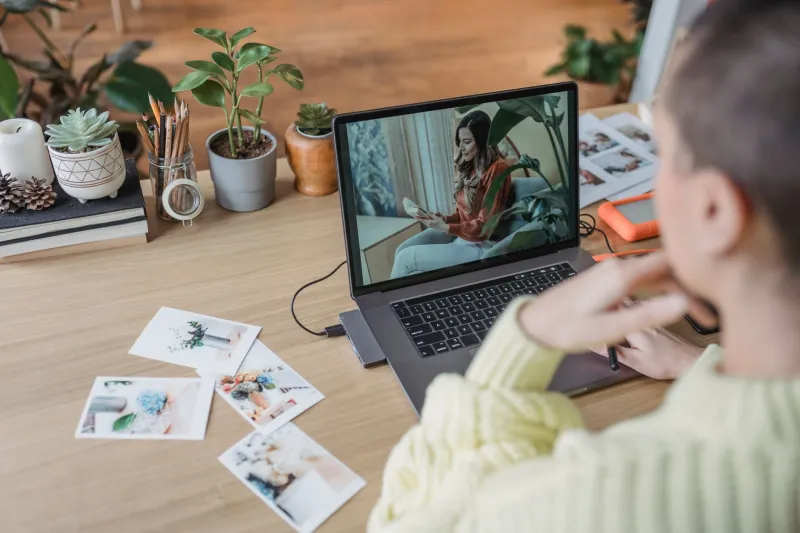
Let's be honest about something the internet doesn't want to admit: you've watched enough YouTube tutorials to earn a master's degree, and your actual work looks exactly the same as it did two years ago.
That's not an insult. It's the most common experience in modern creative education. We live in the golden age of free content — a thousand generous creators showing you how to letter, illustrate, edit, animate, and design. And yet the tutorial-to-talent pipeline is broken for almost everyone who feeds it.
Here's my argument: free tutorials aren't failing you. The way you're consuming them is. And at some point, the DIY approach stops being thrifty and starts being the thing holding you back.
The Illusion of Progress
Watching someone design a logo in fifteen minutes feels like learning. Your brain lights up, you nod along, you think "I could do that." Then you close the tab, and nothing changes.
Psychologists call it the fluency illusion — when information feels easy to absorb, we mistake that ease for mastery. Tutorial-hopping supercharges this trap. Every new video gives you a fresh hit of "I learned something today" without the uncomfortable part: actually making bad work while you figure it out.
The math is brutal. Three years of scattered videos might add up to 100 hours of watching and zero hours of deliberate practice. A single structured course with weekly assignments would flip that ratio entirely.
Why Scattered Content Can't Stack
Free tutorials have one job: get you from not-knowing to a single finished thing. That's valuable! But they're engineered as standalone moments, not as a curriculum. Nobody's YouTube channel is designed to take you from beginner to professional — every video has to re-hook you, re-explain the basics for new viewers, and end before the hard part.
So you end up knowing seventeen ways to start a project and no way to finish one. You know the tricks — the fancy brush, the trending effect, the viral layout — but not the foundations underneath them.
Structured learning does the opposite. A good course sequences skills deliberately: fundamentals before flourishes, repetition before variety, feedback before confidence. It's less exciting week to week. It's dramatically more effective over a year.
The Four Signs It's Time to Invest in Guidance
Not everyone needs to pay for instruction — plenty of self-taught creatives have made it work. But if any of these sound familiar, the free-content buffet has probably hit its ceiling for you:
1. You can follow along but can't start from scratch. If your only finished pieces exist in the shadow of someone else's tutorial, you've learned imitation, not creation.
2. You don't know what you don't know. Tutorial-hoppers can't self-assess because they've never seen the full map of the skill. A structured path shows you the whole territory — including the parts nobody makes viral videos about.
3. You've hit the same wall three times. If you keep stalling at the same stage — color, composition, consistency — you don't need more content. You need someone to look at your work and tell you what's actually wrong.
4. Your motivation dies without deadlines. Be real with yourself: if accountability is what's missing, no amount of bookmarked videos will fix it.
The Framework: DIY vs. Guided
Here's a simple rule I've started giving students: stay free while you're exploring, pay when you're committing.
In the exploration phase — figuring out whether you even like illustration, or whether it's watercolor, or honestly neither — tutorials are perfect. They're the free samples at the grocery store. Take all of them.
But once you've picked your thing and you want to get good? That's when structure earns its price. A guided path gives you three things no playlist can: a sequence, feedback, and a finish line. Whether that's a paid course, a cohort-based workshop, or a local community college class matters less than the fact that someone is responsible for your progression besides you.
And if you're not ready to spend money, you can still build structure yourself: pick one skill, follow one creator's full beginner series in order, and commit to finishing a project every week for eight weeks. The discipline matters more than the price tag.
Stop Collecting, Start Compounding
The trap isn't YouTube. It's the belief that consuming content is the same as building skill. Watching is input; practice is the investment. Only one of them compounds.
So audit your bookmarks tonight. If the ratio of videos-watched to things-made is ten to one, you don't have a learning problem — you have a starting problem. Close the tab. Open the file. Make the ugly thing.
The tutorials will still be there when you need them. They always are.