I Knew Nothing About Music and Made a Song in Seven Days — Here's What Broke Loose
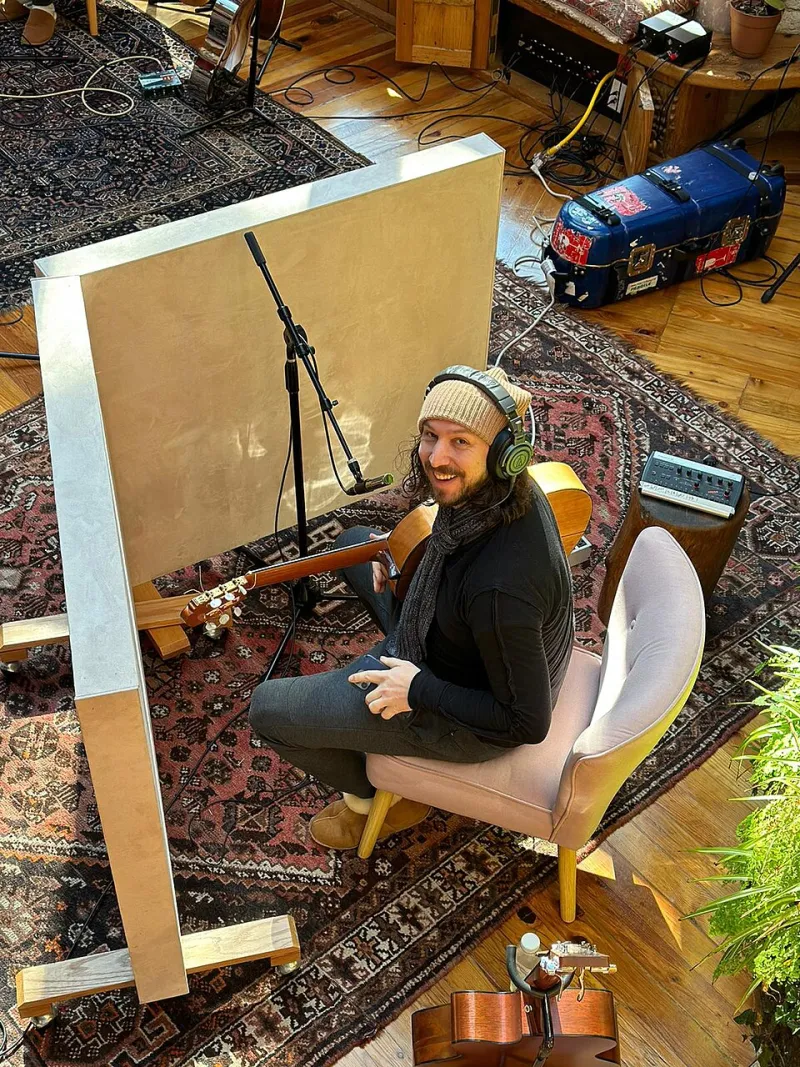
Photo: Clarinetdelune, CC0, via Wikimedia Commons
I want to be upfront: the song is not good. There, that's out of the way. The drums sound like a washing machine with opinions, my vocal take has at least one note that exists in no known key, and the mix has the depth of a parking lot. But it exists. It has a beginning, a middle, and an end. It is finished, which puts it ahead of roughly every musical idea I've had in the last decade.
Here's how seven days of panic turned me from a lurker into someone with a track.
The Rules I Set (Mostly to Trap Myself)
The deal was simple: one original song, written and recorded by Friday, using only free tools — GarageBand on a laptop, BandLab for anything else, and the cheapest pair of earbuds I owned. No plugins to buy, no gear to research, no "waiting until I understand music theory." If I got stuck, I figured it out or I faked it.
The deadline was the whole experiment. I've watched dozens of music production tutorials over the years. I could explain what a compressor does in a sentence. I had never once finished anything. The gap between knowing-about and doing was a canyon, and I suspected the only bridge was a date on a calendar.
Day-by-Day, Mostly Panic
Day 1: Stared at GarageBand's interface like it was written in Sumerian. Made a four-bar drum loop by trial and error. It was bad. I left it in.
Day 2: Found a chord progression by literally clicking keys until something didn't hurt. Discovered that "happy accident" is just what beginners call not knowing what they're doing.
Day 3: The crisis day. Wanted to scrap everything and start over with a "better idea." Didn't. This, I now believe, was the most important day.
Day 4: Wrote lyrics about the crisis from Day 3. Recorded a vocal take into my laptop mic. Cringed. Recorded it again anyway.
Day 5: Arrangement — figuring out when sections should change. Learned that copying and pasting your chorus is not cheating; it's songwriting.
Day 6: Mixed by feel: things louder, things quieter, no idea what I was doing. BandLab's free mastering tool made it sound 30% more like a real song.
Day 7: Exported it. Sent it to five friends with the subject line "don't be nice, be useful."
What the Deadline Unlocked That Tutorials Never Did
Two years of watching videos taught me vocabulary. Seven days of building taught me decisions. Every tutorial ends with the instructor's answer; a deadline forces you to make a hundred small calls with incomplete knowledge and live with them. That's the actual skill.
A few things surprised me:
- Perfectionism can't survive a clock. When you have six days, "good enough" stops being an insult and becomes a strategy.
- Tools stop being intimidating when you need them. I learned compression on Day 6 because the vocals were burying the drums — not because a video told me to.
- Finishing one thing teaches the shape of finishing. Now I know what the hard middle feels like and that it passes. That's reusable.
- Feedback hits different on a real thing. "Your bridge is too long" from a friend taught me more in ten seconds than an hour of arrangement videos.
Try Your Own Week (Any Craft Counts)
You don't need to make music. The structure works for a short film, a zine, a seven-day illustrated story, a one-week app prototype. The recipe: pick a deliverable small enough to actually finish, restrict yourself to free tools you already have, set a hard deadline, and tell someone it's coming.
The song is rough. But I've listened to it maybe forty times, and every listen teaches me something specific about what I'd do differently. No tutorial has ever done that. Turns out the fastest way to learn what you don't know is to ship the evidence.