Your TV Remote Is a Film School: How to Break Down Netflix Shots From Your Couch
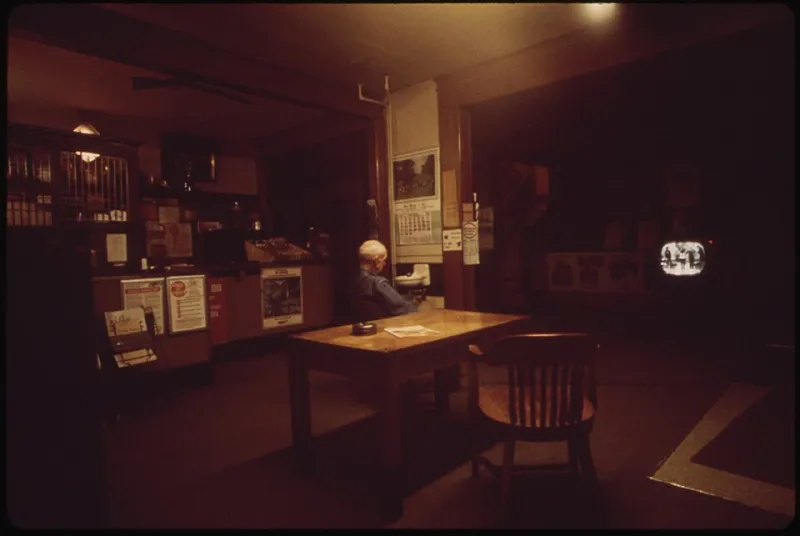
Photo: David Hiser, Public domain, via Wikimedia Commons
Somewhere in your living room is a film school that charges $15.99 a month and lets you attend in pajama pants. Every binge-worthy show on Netflix — the moody crime dramas, the sun-drenched romances, the prestige thrillers with the Oscar-bait lighting — is a masterclass in cinematography that most people watch passively.
You don't have to. With a remote, a pause button, and a phone, you can turn your couch into a self-directed film program. No tuition. No application essay. Just a slightly different way of watching.
Why Binge-Watching Is Secretly a Skill
Here's the thing about streaming shows: they're shot with intention in a way network TV rarely was. Colorists grade every frame. Directors block every hallway conversation. When a show like Ozark sinks everything into cold blues or The Queen's Gambit bathes a chessboard in warm amber, someone made that decision on purpose — and made it consistently for hours.
The problem is that streaming is engineered for passivity. Autoplay rolls the next episode before you've processed what you saw. The trick isn't watching more. It's watching slower.
The Pause-and-Study Framework
Grab a notebook or a notes app and try this with any episode:
1. Pick one scene and rewatch it three times. First pass, just enjoy it. Second pass, ignore the dialogue entirely and look only at the light. Where is it coming from? Is it hard (sharp shadows) or soft (that flattering, diffused glow)? Third pass, watch only the framing — where characters sit in the frame, how close the camera gets, what's cut off at the edges.
2. Pause on frames that stop you. When a shot makes you feel something — tension, loneliness, comfort — freeze it. Screenshot it if you're watching on a device that allows it, or just describe it in your notes. Write one sentence: why does this work?
3. Name the pattern. After a few episodes, you'll start noticing the show's rules. Maybe every confrontation happens with a wall between characters. Maybe the villain is always lit from below. Once you can name a pattern, you can steal it.
4. Keep a shot journal. Ten minutes after an episode, sketch or describe your three favorite frames. This is the cinematography equivalent of a painter copying the old masters — it's how every filmmaker under 30 with a Vimeo account learned.
The Lamp-and-iPhone Rec Lab
Studying is half the education. The other half is doing, and you don't need a cinema camera for that.
Pick one paused frame from your journal and recreate it at home tonight:
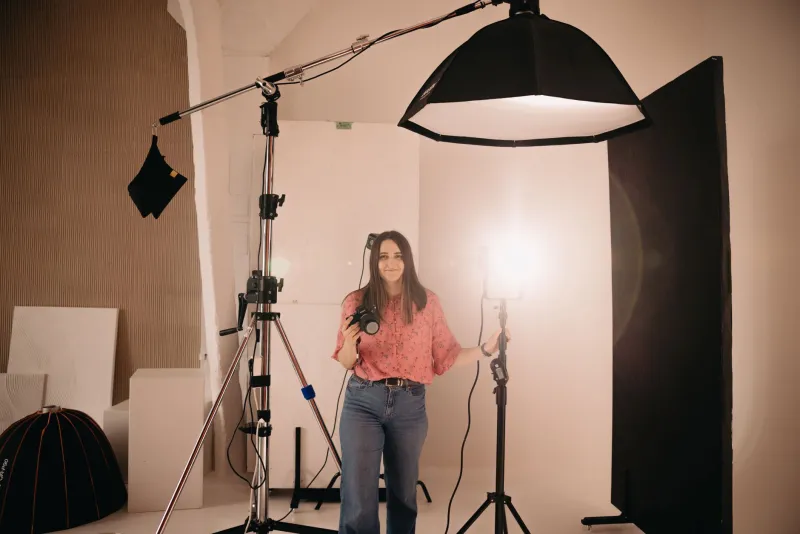
- The lamp is your key light. Move it around. Overhead creates horror-movie shadows. Off to the side, at eye level, gives you that moody interview look. Through a thin curtain or a plastic bag diffuser, it turns soft and cinematic.
- Your phone camera is fine. Lock the exposure by tapping and holding on your subject. Shoot horizontal. Get closer than feels comfortable.
- Frame for meaning, not prettiness. If the original shot put a character small in a big empty room, put your roommate (or yourself, on a timer) small in a big empty room. Notice how it feels different than a centered, comfortable portrait.
- Grade with your edit. Free apps like CapCut or Lightroom Mobile let you shift colors and crush shadows. Try warming a shot, then cooling it, and watch the mood flip.
Give yourself 30 minutes per recreation. Don't chase perfection — chase the aha, the moment you understand why the director made that choice.
A Four-Week Couch Curriculum
Want structure? Here's a month-long plan using shows you already have:
- Week 1 — Lighting: Watch one episode of something dark (Ozark, True Detective-style shows) and journal every lighting choice you notice.
- Week 2 — Color: Pick something visually bold (The Queen's Gambit, Bridgerton) and note the palette of each location. Screenshot three frames per episode.
- Week 3 — Framing: Study a dialogue-heavy show. Count how many shots break the "rule of thirds" and why.
- Week 4 — Recreate: Build two lamp-lit recreations of your favorite frames. Post them wherever you post things.
By week four, you won't be able to turn it off. You'll catch yourself analyzing the lighting at a Panera. That's not a bug — that's the degree working.
The Real Lesson
The gatekeeping version of film education wants you to believe craft lives in expensive gear and expensive classrooms. It doesn't. Craft lives in attention, and attention is free. The directors you admire got good by watching obsessively and copying shamelessly until their own voice showed up.
So tonight, press pause. Sit with one frame for five minutes. Then get up, move a lamp, and make your own version of it.
That's not procrastinating on Netflix. That's homework.