The 9-to-5 Escape Hatch: Why Burned-Out Professionals Are Signing Up for Pottery Class Instead of Therapy Adjacent Fixes
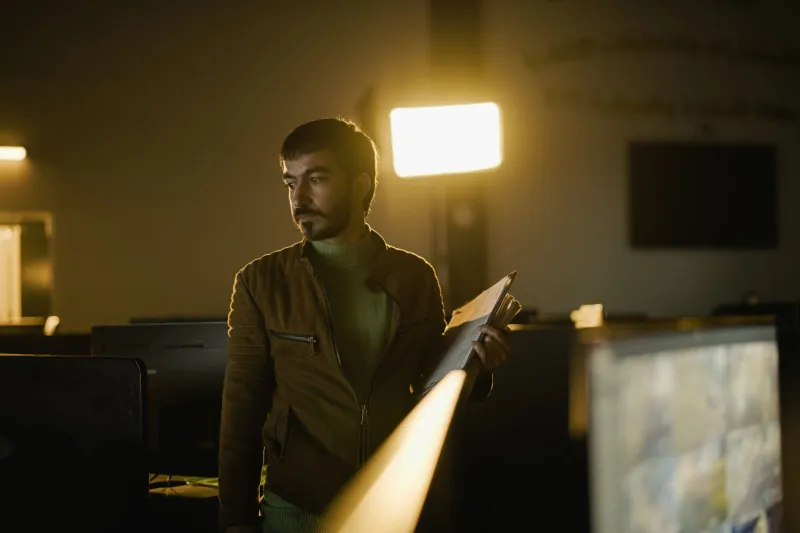
Ask around your office and you'll probably find one. The project manager who throws clay on Tuesday nights. The accountant with a film camera on her desk. The sales guy quietly learning guitar chords between quarters. None of them are trying to quit their jobs. All of them will tell you, usually with a slightly sheepish grin, that the hobby is what's keeping them sane.
Creative courses have quietly become the recovery ritual of America's burned-out white-collar workforce — and honestly, it tracks.
The Burnout Economy Meets the Evening Class
Burnout isn't a fringe problem. The APA has repeatedly flagged chronic workplace stress as a national health concern, and post-2020, the boundary between work and life dissolved for millions of knowledge workers. When your laptop follows you to the couch, "relaxing" with more screens — streaming, scrolling, comparing — often leaves you feeling worse, not better.
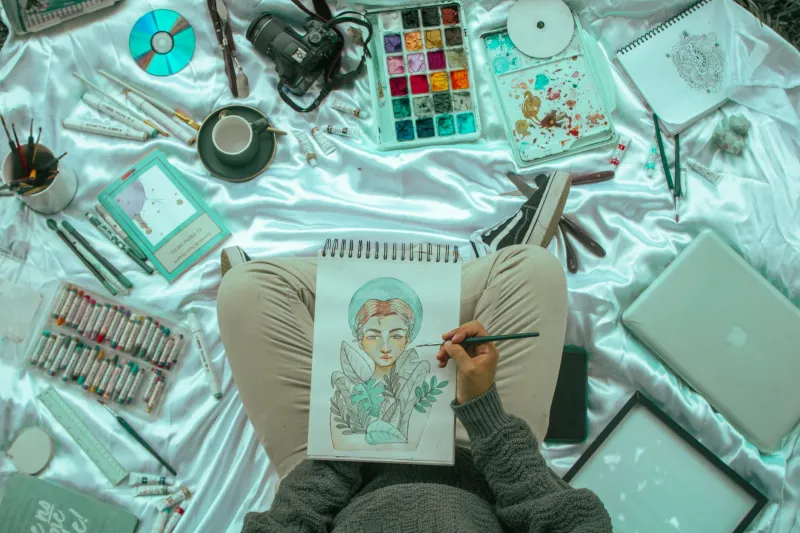
Creative hobbies break that loop in a specific way. They're hands-on, they demand presence, and they produce something tangible. A spreadsheet can always be optimized further. A mug, once glazed, is done.
There's real research behind the intuition. Studies on art-making and cortisol suggest that even 45 minutes of creative activity can measurably lower stress markers, regardless of skill level. Psychologists sometimes describe creative flow states as the opposite of rumination — the anxious mental hamster wheel that burnout fuels. You can't ruminate about Monday's meeting while your hands are centering clay.
Three People Who Quietly Opted Out of the Grind Spiral
Marcus, 38, consultant, Chicago. After two years of back-to-back client travel, Marcus signed up for a beginner songwriting workshop at a community music center on a whim. "The first song was terrible," he admits. "It was about spreadsheets. But writing it was the first time in months my brain wasn't rehearsing a pitch." Eight months later, he's recorded a handful of tracks and — more importantly — stopped checking email after 7 p.m. The rule, he says, was born from the guitar, not the therapist's office.
Dana, 45, nurse practitioner, Portland. Dana tried meditation apps for years and could never stick with them. A beginner photography course clicked where mindfulness didn't. "Walking around my neighborhood hunting for a good shot is meditation, but my body gets to come along," she says. Her weekend photo walks have become non-negotiable — scheduled like a shift, defended like one too.
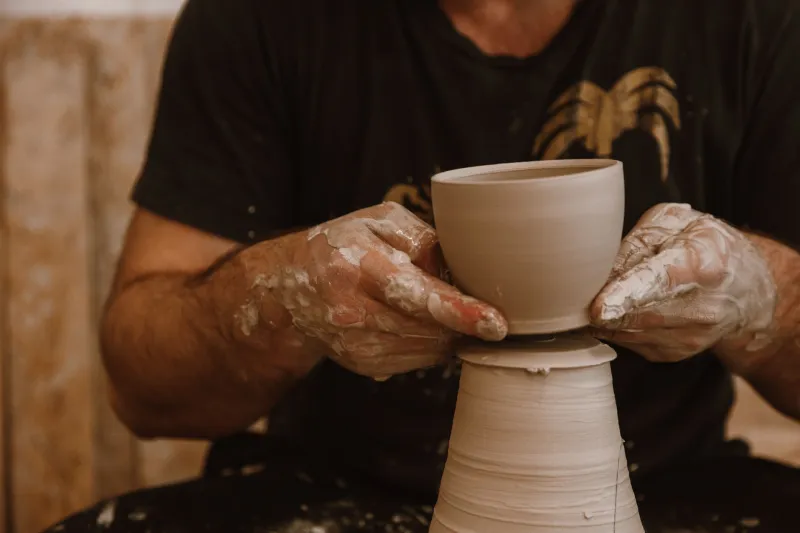
Priya, 31, product manager, Austin. Priya's pottery class started as a Groupon impulse buy. It's now the anchor of her week. "At work, everything I make gets critiqued, revised, and possibly killed. In the studio, I make lumpy bowls and nobody cares." That low-stakes creative risk, she says, rebuilt a confidence her job had been quietly eroding.
Why "Not for Money" Is the Whole Point
Here's the counterintuitive part: these hobbies work precisely because they're not monetized. The moment a hobby becomes a side hustle with a deadline, it inherits the stress of the day job. The professionals thriving here aren't building Etsy shops — they're protecting a space where the outcome doesn't matter.
That said, the line can blur in a healthy way. A few people in evening classes do eventually turn skills into income. But the ones who report the biggest mental health wins are the ones who kept it play-shaped.
How to Start Without Making It Another Obligation
If you're burned out, the last thing you need is another performance metric. A few ground rules from people who've done this well:
- Pick a medium that uses your hands. Pottery, drawing, film photography, bread baking — physicality is part of the medicine.
- Choose structured over solo, at first. A six-week course with a fixed time removes the decision fatigue of "should I practice tonight?"
- Ban the improvement mindset. You're not trying to get good. You're trying to get absorbed.
- Tell your calendar, not your LinkedIn. This isn't a brand. It's a pressure valve.
Community art centers, community colleges, and local studios across the country offer evening courses for under a few hundred dollars — often less than a month of the delivery apps you're stress-ordering from.
The takeaway isn't that pottery replaces therapy for clinical-level burnout — it doesn't, and serious exhaustion deserves real support. But for the widespread, low-grade depletion of modern professional life, an hour of making something with your hands might be the most accessible intervention available.
Your calendar is full. Your week is packed. Make room for one lopsided bowl anyway.