The $200 Planner and the $20 Sketchbook: An Honest Audit of What You're Really Buying
There's a certain type of receipt that shows up in every creative hobbyist's life. It's not the one for paint or clay or guitar strings. It's the one for the system — the premium planner, the leather-bound journal, the app subscription, the course bundle bought at 11pm during a launch sale.
Here's the uncomfortable math: most of us spend more per year on things that represent our creative ambition than on the actual hours that build it. And nowhere is that clearer than in the gap between the $200 planner and the $20 sketchbook.
Why the Fancy Stuff Wins in Our Carts
Let's be fair to the planner. It's beautiful. It photographs well. Buying it produces a small, legal hit of accomplishment — the feeling of I'm taking this seriously now.
That feeling is real, and it's also the trap. Retailers and course sellers have figured out something psychologists have known for decades: we'll happily pay for the identity of a thing before we'll pay for the effort of it. The sketchbook asks something of you. The planner just asks for your credit card.
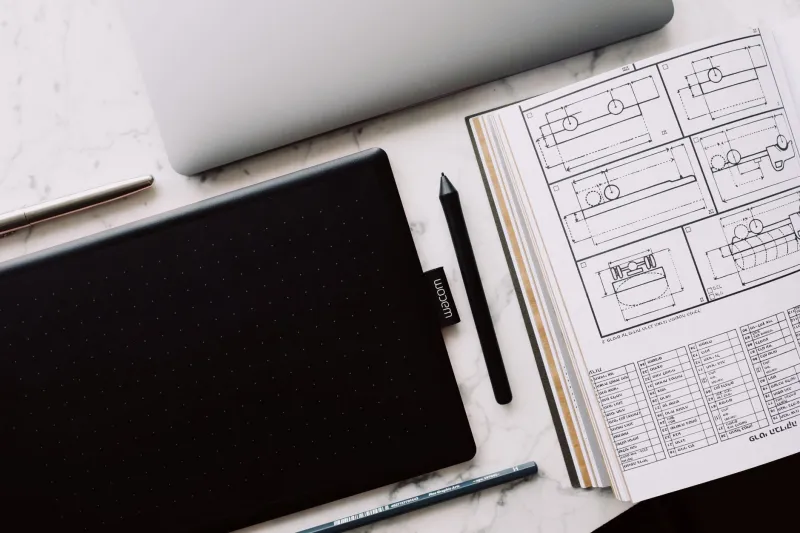
So the gear pile grows. The practice hours don't. And every unopened set of professional-grade colored pencils becomes a quiet reminder that you're "not ready yet" — when readiness was never the issue.
The Costco Test
Here's a simple gut-check I use before any creative purchase, named for the big-box store where bulk optimism goes to live:
Will I use this up?
That's it. That's the test.
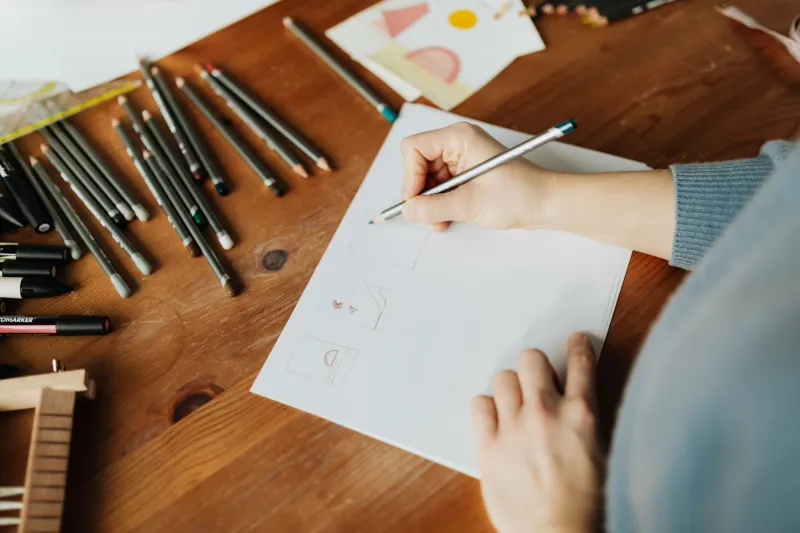
Costco sells you 48 eggs because eggs get eaten. A 50-sheet watercolor pad gets used up. So does a beginner pottery class, a month of a critique community, or the cheap yarn you'll turn into lumpy scarves. These purchases disappear into your practice — which is exactly what you want.
The $200 planner, meanwhile, doesn't get used up. It gets kept. Kept things accumulate guilt. Used-up things accumulate skill.
Run your last three creative purchases through the test. Be honest. If two of them were keeps rather than consumables, you're not buying supplies — you're buying reassurance.
A 15-Minute Budget Audit
Grab your statements from the last six months and sort every creative expense into three buckets:
1. Consumables — paper, paint, clay, strings, class tuition, community memberships. Things that convert directly into practice.
2. Keepsakes — planners, storage furniture, the second tablet, the "someday" lens. Things that represent the artist you intend to become.
3. Ghost purchases — the course you never opened, the app that renewed three times. Money that already evaporated.
Most people are surprised to find bucket two and three dwarfing bucket one. The fix isn't asceticism. It's redirection. Next time you feel the pull toward a shiny keepsake purchase, take the same dollar amount and spend it on something that gets used up instead:
- A month of feedback from a real critique group
- A community center class where a human watches you work
- Enough canvas that running out becomes your problem, not your excuse
The One Exception
Buy the good thing when the practice earns it. If you've filled three cheap sketchbooks in four months, upgrade the paper — you've proven you'll use it up. If you've sketched daily on a free app for a season, the iPad is a reward, not a starting gun. Earning your gear flips the whole psychology: the tool becomes a milestone instead of a permission slip.
Spend Like Someone Who's Actually Practicing
Nobody's saying skip the planner if a planner genuinely runs your week. The point is proportion. Serious creatives — the ones who improve — tend to have boring, consumable-heavy budgets. Their money disappears into classes, materials, and feedback, and what's left behind is skill.
So run the Costco test this week. Audit the last six months. Then take one keepsake-sized chunk of money and convert it into something you'll use up by spring.
Your future self won't remember the planner. She'll be too busy filling the sketchbook.